


Bedroom Safety Equipment: Setup for Aging in Place

Last Updated: November 19, 2026
Quick Summary
Bedroom safety equipment for aging in place is the set of physical supports that make getting in and out of bed, reaching for the phone, and walking to the bathroom at night less likely to go wrong. Start by walking the room at night, then match aids like grab bars, transfer poles, and bed rails to what the person can actually do on a bad day.
- Walk the room at night with the lights off and bring the person who sleeps there.
- A bedside grab bar or transfer pole must be bolted into a stud or proper backing.
- A bed rail is a handhold, not a substitute for strength or a call button.
- The right bed height lets feet rest flat with knees near a right angle when seated.
- For dementia or low vision, use a bed alarm and automatic lighting that work without the person.
Is your bedroom set up for safe nights?Custom Mobility installs grab bars and home access equipment with free consultations and 24/7 service.
Get a Free Bedroom Assessment
Table of Contents
- The Bedroom Is Where the Day Starts and the Risk Lives
- Walk the Room First: A Bedroom Safety Checklist for Older Adults
- Bed Rails for Elderly Adults: Helpful, Harmful, or Both
- Bedside Grab Bars and Transfer Poles: Anchored, Not Leaned
- Bed Height, Mattress, and the Floor Beside It
- When Memory or Vision Changes the Rules
- Request a Free Home Assessment Before You Buy Anything
- Frequently Asked Questions
The Bedroom Is Where the Day Starts and the Risk Lives
Here is the hard truth most checklists skip: the bedroom is not dangerous because of one big hazard. It is dangerous because of six small ones that stack up. A bed that sits too low.
Below, we walk through a real assessment, the equipment that matches different mobility levels, and the mistakes that turn a helpful aid into a hazard. Start with the room, not the catalog.
Walk the Room First: A Bedroom Safety Checklist for Older Adults
A bedroom safety checklist for older adults works best as a sequence, not a list. Walk the room in the order a person actually uses it, fix what you find in priority order, and you stop guessing about which purchase matters. Most checklists hand you twenty items and no ranking.
Do the walk at night with the lights off. The room is honest in the dark. Bring a clipboard and a pen, and bring the person who sleeps there. A daughter measuring a bed height alone gets a number.
Step One: The Bed Exit
Start where the risk starts. Watch the person get out of bed three times. Note where the hands go, where the feet land, and whether the mattress slides.
- Feet flat on the floor with knees near a right angle when seated on the edge
- A solid handhold within reach before the feet touch down
- No gap between the mattress and the frame that a hip could slip into
- Nothing on the floor where the feet land except a fall mat if one is used
Watch out: a bed that has been fine for thirty years can become the wrong height after a hip replacement or a new medication. Reassess the exit after any hospital stay.
Step Two: The Standing Turn
The person rises, turns, and reaches for a walker or cane. This is where a bedside grab bar or transfer pole earns its place. Check that the handhold is bolted into a stud or proper backing, and pull hard on it before anyone relies on it. If it moves when you shake it, it is not ready.
Step Three: The Path to the Bathroom
The route to the bathroom is where most night falls happen. Walk it barefoot in the dark and count what you touch.
- Clear the floor of shoes, laundry baskets, and boxes
- Tape down or remove area rugs and electrical cords
- Keep a clear width between the bed and the wall
- Add a night light or motion-activated lighting along the route
- Put a light switch or lamp within reach of the bed
Trip hazards hide in plain sight. A throw rug can slide the first time someone leans on a walker.
Step Four: Lighting and Switches
Lighting is the cheapest fix in the room and the one most often skipped. A light switch by the door does nothing for someone already in bed.
- Put a lamp or switch within arm's reach of the mattress
- Use motion-activated night lights near the floor
- Keep a flashlight or phone light on the nightstand
- Avoid glare from a bare bulb facing the bed
Task lighting beats a single overhead fixture. A small clip-on lamp aimed at a book is easier on the eyes than a bright ceiling light at midnight.
Step Five: The Reach Zone
Everything the person needs between 10 p.m. and 6 a.m. should be reachable without standing. Phone, glasses, water, medications, alert device, and the lamp switch all belong in the same zone. If the phone is on the far nightstand, it is across the room at 3 a.m.
Step Six: The Reassessment
Walk the room again in thirty days. Equipment shifts. Mattresses compress. A person's balance changes after an illness. The checklist is a habit, not a one-time event. Write the date on the clipboard and keep it.
Bed Rails for Elderly Adults: Helpful, Harmful, or Both
Bed rails for elderly adults can help a person pull up to sitting, and they can also trap someone who cannot get out. The difference is installation and fit, not the rail itself.
Here is what most guides miss: a bed rail is not a substitute for strength or a call button. It is a handhold.
Watch out: a rail that is not anchored to the frame or wedged tight can shift under a person's weight. Test it by pulling hard before anyone relies on it.
Bedside Grab Bars and Transfer Poles: Anchored, Not Leaned
Bedside grab bars and transfer poles only work when they are bolted into something solid. A tension pole that leans against the ceiling, or a bar screwed into drywall alone, will move when a person puts their full weight on it.
We install grab bars into studs or with proper backing. You can see the kind of metal grab bar we mount beside a bed, or a textured metal grab bar if grip is the concern. For walls that will not hold a bar, a floor to ceiling grab bar anchors to the floor instead.
(https://www.custommobility.net/products/bed-ladder) helps someone pull to sitting hand over hand. It loops around the frame at the foot of the bed. For a person who can stand but struggles to pivot, a pole placed at the mattress edge does more than a rail.Bed Rails: Fit and Entrapment
Bed rails for elderly adults can help a person pull up to sitting, and they can also trap someone who cannot get out. The difference is installation and fit, not the rail itself.
A bed rail is a handhold. It is not a substitute for strength or a call button.
Watch out: a rail that is not anchored to the frame or wedged tight can shift under a person's weight. Test it by pulling hard before anyone relies on it.
Grab Bars and Poles: Anchored, Not Leaned
Bedside grab bars and transfer poles only work when they are bolted into something solid.
We install grab bars into studs or with proper backing. If the wall cannot take it, a floor-to-ceiling pole anchored at the floor is the next option.
The rule is simple. If it moves when you shake it, it is not ready.
The mistake is buying the most popular aid instead of the one that fits the body in front of you.
Match the aid to what the person can actually do on a bad day, then reassess as mobility changes.
| What the person can do | Aid to start with | Why it fits |
|---|---|---|
| Can sit up but needs a handhold | Bed ladder or mounted grab bar | Person does the work; aid gives a solid handhold |
| Can stand but struggles to swing legs | Transfer pole at mattress edge or bedside grab bar in a stud | Pole gives a pivot point for the standing turn |
| Cannot bear weight | Mechanical lift, assessed by a credentialed specialist | A rail or pole is the wrong tool and can encourage a fall |
| Restless or confused at night | Bed alarm, not a rail | A climber will climb over a rail, and a rail can become a trap |
| Low vision or hearing loss | Automatic lighting and a bed alarm that pages a caregiver | Equipment the person cannot see or hear has to work without them |
Bed Height, Mattress, and the Floor Beside It
Bed height decides how hard a transfer is. A bed that sits too low forces a person to push up from a deep squat. A bed that sits too high leaves feet dangling.
If the bed is too low, bed risers can raise the frame without a new mattress. If it is a hospital-style adjustable bed, use the height control. A fall mat puts dense foam where feet land.
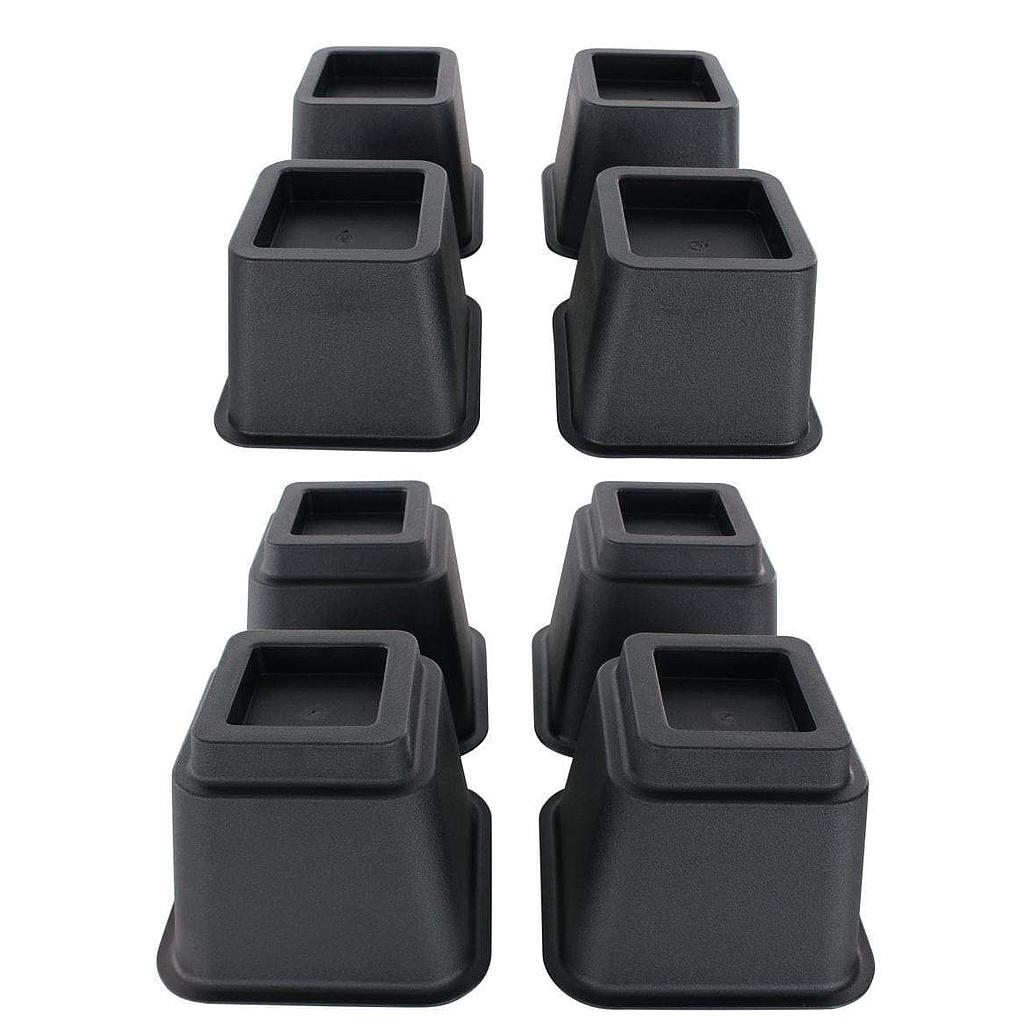

A firm mattress makes standing easier than a soft one that swallows the hips. Test the height with the person actually sitting on the edge, not by measuring the frame.
When Memory or Vision Changes the Rules
Dementia and low vision change what safety equipment can do. A person who cannot remember why the rail is there may climb over it. A person who cannot see the night light may never find the switch. In these cases, the equipment has to work without the person managing it.
- Use a bed alarm so a caregiver knows when someone rises
- Keep the route to the bathroom lit automatically, not by switch
- Remove locks a confused person could fumble with in an emergency
- Keep a phone or personal alert device within reach at all times
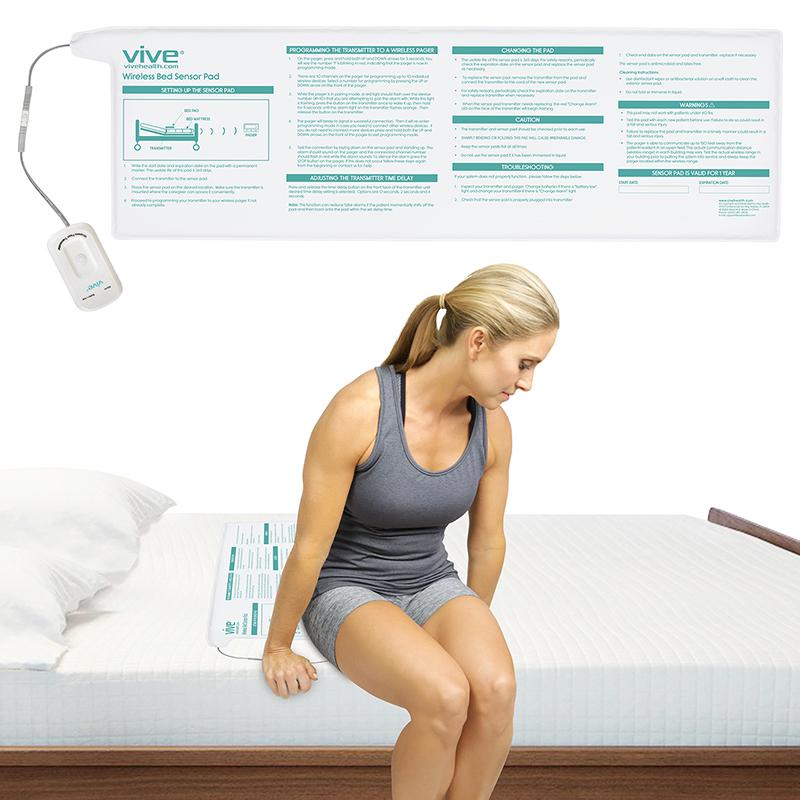
A wireless bed alarm and pager puts a sensor pad under the sheet and a pager in a caregiver's pocket. The pager alerts when the person sits up or leaves the bed.
Request a Free Home Assessment Before You Buy Anything
A home assessment beats a shopping list every time. The room tells you what it needs once someone who installs this equipment walks it with you. Custom Mobility offers free, no-obligation consultations.
Bring the person who uses the room. If you want the bigger picture beyond the bedroom, our guide on how to age in place safely at home covers the rest of the house.
Funding for equipment depends on the situation, so the best next step is a conversation rather than a promise.
The bedroom does not have to be the room where the day goes wrong. It can be the room where the day starts on solid footing.
Frequently Asked Questions
Are bed rails appropriate for every older adult?
No. Bed rails for elderly adults help some people and create hazards for others. They work well for someone who can grip and pull but needs a steady hand to sit up. They are a poor fit for anyone who is agitated, confused, or likely to try climbing over them, and for anyone who could get trapped between the rail and the mattress. Fit matters as much as the person: a rail that leaves a gap at the head or foot of the bed is the wrong rail. Ask an installer to check the fit before you rely on it.
What equipment can make getting in and out of bed easier?
It depends on how the person transfers. Someone who can pull with both arms may do well with a bed ladder, a strap that loops around the frame at the foot of the bed so they can pull hand over hand to a seated position. Someone who needs to push up rather than pull does better with a bedside grab bar anchored into a stud. A transfer pole helps people who can stand but need something to hold. Bed risers change the height so standing takes less effort. The right answer comes from watching one transfer, not from a product list.
How can you make the path from the bed to the bathroom safer?
Start with the floor. Pull up area rugs or tape them down, move electrical cords against the wall, and keep the route clear of shoes, laundry baskets, and furniture corners. Add motion-activated lighting that comes on before feet hit the floor, plus a night light in the bathroom itself. Put a light switch or lamp within reach of the bed so nobody walks in the dark. If the route is long or the person wakes often, a personal alert device worn at night adds a way to call for help.
How do you set up a bedroom for an older adult who lives alone?
Work through the room in order: clear the floor, fix the lighting, then address the bed. Keep the phone, a lamp, water, medications, and glasses on a bedside table the person can reach without stretching. A wireless bed alarm and pager helps family members nearby, and a fall mat beside the bed softens the floor if a transfer goes wrong. Walk the route to the bathroom at night with the lights off to see what the person actually sees.
Related Articles


Need Help Choosing?
Our mobility specialists can help you find the perfect solution.
Get a Free Consultation
Tell us what you need — we'll handle the rest.
Ready to Regain Your Independence?
Schedule a free, no-obligation consultation with one of our mobility specialists today.
Get Your Free Consultation