Wheelchair Lift Operational Safety & Compliance Workshop is backordered and will ship as soon as it is back in stock.
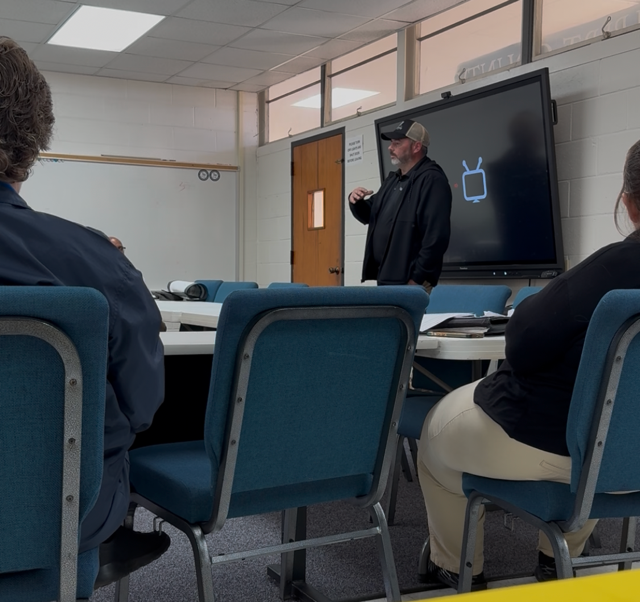
Description
Description
Professional Safety Training for Bus Drivers and Transportation Staff
Wheelchair lifts are among the most important safety systems on any transportation vehicle.
When operated correctly, they provide safe, reliable access for passengers with mobility challenges. When operated incorrectly, however, they can create serious safety risks for passengers, drivers, and transportation providers.
Custom Mobility offers a Wheelchair Lift Operational Safety & Compliance Workshop, a professional training program designed specifically for transportation personnel responsible for operating wheelchair lift systems.
Led by certified and licensed mobility specialists, this workshop provides bus drivers, operators, monitors, administrators, and transportation staff with the knowledge and confidence needed to safely operate wheelchair lifts in real-world conditions.
Because safety begins with proper training.
Payment & Security
Payment methods
Your payment information is processed securely. We do not store credit card details nor have access to your credit card information.

Why Wheelchair Lift Safety Training Matters
Wheelchair lift systems combine hydraulic systems, electrical controls, safety interlocks, and mechanical components that must work together perfectly to safely transport passengers.
Improper lift operation can lead to:
- Passenger injury
- Equipment damage
- Service delays
- Equipment failures
- Increased liability exposure for transportation providers
Proper training ensures that drivers and transportation staff understand:
- How lift systems work
- How to safely load and unload passengers
- How to recognize potential problems
- How to respond in emergency situations
Organizations that invest in safety training reduce risk, improve operational efficiency, and provide safer transportation for passengers who rely on mobility equipment.
We Are Proud to Serve the Following Organizations & More!

Who Should Attend This Workshop
This workshop is designed for anyone responsible for operating or overseeing wheelchair lift transportation.
Typical participants include:
- School bus drivers
- Transit vehicle operators
- Bus monitors and aides
- Transportation supervisors
- Fleet managers
- Transportation administrators
- Maintenance staff responsible for lift inspections
Any organization responsible for transporting passengers with mobility devices benefits from ensuring their staff understand safe lift operation procedures.
What the Workshop Covers
-
Understanding Wheelchair Lift Systems
Participants learn how wheelchair lifts function and the role of critical safety components such as:
- Hydraulic lifting mechanisms
- Platform barriers and roll stops
- Safety interlocks and sensors
- Emergency stop controls
- Securement and restraint systems
Understanding how the equipment works helps operators identify problems and operate the system safely.
- Hydraulic lifting mechanisms
-
Safe Passenger Loading Procedures
Participants learn best practices for safely boarding and exiting passengers using mobility devices.
Training includes:
- Proper positioning of wheelchairs on the lift platform
- Securement techniques
- Proper use of safety barriers
- Safe lift operation during loading and unloading
- Passenger communication during lift operation
These procedures ensure passengers remain safe throughout the boarding process.
- Proper positioning of wheelchairs on the lift platform
-
Proper Lift Operation Techniques
Operators are trained on the correct procedures for safely operating lift controls and managing lift movement, including:
- Step-by-step lift operation procedures
- Correct positioning of the vehicle during lift use
- Proper sequencing of lift controls
- Monitoring platform movement during operation
- Maintaining passenger safety during lift cycles
These techniques help drivers operate lifts confidently and consistently under real-world transportation conditions.
- Step-by-step lift operation procedures
-
Recognizing Unsafe Conditions
Operators learn how to identify early warning signs that a lift may require maintenance or service.
Participants are trained to recognize indicators such as:
- Unusual noises during lift operation
- Slow or uneven lift movement
- Hydraulic leaks or fluid residue
- Damaged safety barriers or components
- Electrical control malfunctions
Recognizing these warning signs early allows staff to report problems before they become serious safety hazards.
- Unusual noises during lift operation
-
Emergency Operation Procedures
Even with proper maintenance, operators must know how to respond if a lift malfunction occurs.
Participants are trained on emergency procedures including:
- Emergency stop procedures
- Manual lift operation methods
- Passenger evacuation protocols
- Communicating with dispatch or maintenance staff
- Safely assisting passengers during unexpected situations
Understanding these procedures helps transportation staff respond calmly and effectively in emergency situations.
- Emergency stop procedures
-
Regulatory Awareness & Compliance Considerations
Transportation providers must operate accessibility equipment responsibly and in accordance with safety expectations, such as:
- The importance of following manufacturer operating procedures
- Accessibility responsibilities in passenger transportation
- Documentation of safety practices and training
- The role of preventative maintenance in safe lift operation
- How proper training supports operational compliance
Participants gain a better understanding of why proper lift operation and safety awareness are essential for both passenger protection and responsible fleet management.
- The importance of following manufacturer operating procedures
-
Preventative Maintenance Awareness for Operators
Drivers and transportation staff play an important role in identifying potential maintenance issues during daily vehicle operation.
Participants learn how to:
- Conduct quick visual inspections before operating lifts
- Identify signs that service may be required
- Report equipment concerns to maintenance personnel
- Protect lift components from accidental damage
- Understand how preventative maintenance supports lift safety
This awareness helps operators serve as the first line of defense in identifying potential equipment problems before they become operational failures.
- Conduct quick visual inspections before operating lifts
Benefits of the Wheelchair Lift Operational Safety & Compliance Workshop
Organizations that provide lift safety training experience several important benefits.
Improved Passenger Safety
Drivers and transportation staff gain the knowledge needed to safely transport passengers who rely on mobility devices.
Increased Driver Confidence
Operators who understand lift systems are more confident and capable when assisting passengers.
Reduced Equipment Damage
Proper operation helps prevent accidental damage to lift components.
Reduced Liability Exposure
Providing formal training demonstrates that the organization takes accessibility safety seriously.
Improved Operational Efficiency
Drivers who understand lift procedures are able to load and unload passengers more efficiently.

Led by Certified Mobility Specialists
The workshop is conducted by certified mobility specialists with extensive experience installing, servicing, and maintaining wheelchair lift systems.
Our technicians regularly work with lift systems manufactured by:
- BraunAbility
- Ricon
- Harmar
- Bruno
- Maxon
Because our specialists service these systems every day, they bring practical real-world knowledge that drivers and transportation staff can apply immediately.
Ideal Clients for This Program
Our Wheelchair Lift Operational Safety & Compliance Workshop is best suited for:
- School districts
- Public transit agencies
- Paratransit services
- Assisted living facilities
- Hospitals and rehabilitation centers
- Government transportation departments
If your organization relies on wheelchair lifts to transport passengers safely, this training is crucial.
Frequently Asked Questions
How long is the Wheelchair Lift Operational Safety & Compliance Workshop?
The Wheelchair Lift Operational Safety & Compliance Workshop typically lasts approximately three to four hours, providing enough time to cover lift system fundamentals, safe operating procedures, regulatory considerations, and real-world operational scenarios.
The training is structured to remain engaging and practical for transportation personnel while still delivering comprehensive instruction. Most sessions include a combination of presentation, discussion, and practical demonstrations of lift operation procedures.
This format allows drivers and transportation staff to gain meaningful knowledge without significantly disrupting transportation schedules or operational duties.
Who should attend this workshop?
This workshop is designed for any personnel responsible for operating or overseeing wheelchair lift transportation services.
Typical attendees include:
- School bus drivers
- Transit vehicle operators
- Bus monitors and aides
- Transportation supervisors
- Transportation directors
- Fleet managers
- Maintenance personnel
- Transportation administrators
Organizations that transport passengers using mobility devices benefit greatly from ensuring that every staff member involved in lift operation understands proper procedures and safety considerations.
What types of wheelchair lifts are covered during the training?
The training covers operational procedures and safety considerations for the most common lift systems used in passenger transportation vehicles.
Our specialists regularly work with wheelchair lifts manufactured by:
- BraunAbility
- Ricon
- Harmar
- Bruno
- Maxon
Because these manufacturers produce many of the lift systems used in school buses, transit vehicles, and accessibility transport fleets, participants gain practical knowledge that applies directly to the equipment used in their own vehicles.
The workshop focuses on universal lift safety principles and operational procedures, allowing the training to remain relevant across multiple lift models.
Does this training include hands-on demonstrations?
Yes. When possible, the workshop includes live demonstrations of wheelchair lift operation so participants can observe correct procedures in real-world conditions.
Demonstrations typically include:
- Proper lift deployment and stowing procedures
- Safe passenger loading and unloading techniques
- Correct use of safety barriers and restraints
- Recognition of unsafe lift conditions
- Proper operator positioning during lift operation
Hands-on demonstrations help reinforce the safety concepts discussed during the workshop and allow participants to better understand proper lift operation.
Note: In the absence of unavailability of properly maintained, functioning wheelchair lifts, virtual demonstrations will be provided.
Does the workshop address passenger safety considerations?
Yes. Passenger safety is a central focus of the workshop.
Participants learn best practices for safely assisting passengers who rely on wheelchairs, scooters, and other mobility devices. Training includes guidance on positioning mobility devices on the lift platform, maintaining passenger stability during lift movement, communicating effectively with passengers, and ensuring safety barriers are properly engaged.
The goal is to help transportation staff ensure every passenger using a wheelchair lift experiences safe and dignified transportation.
Does this training help reduce liability for transportation providers?
Providing formal safety training can help demonstrate that an organization takes reasonable steps to ensure transportation staff are properly trained to operate accessibility equipment safely.
Wheelchair lifts are critical safety systems, and improper operation can create risk for passengers and operators. Organizations that provide structured safety training show that they prioritize safe operating procedures and responsible transportation practices.
Documented training programs help support safe operations and demonstrate that staff have been instructed on proper lift operation procedures.
Is wheelchair lift operator training required by law?
While specific training requirements may vary depending on the organization and jurisdiction, transportation providers responsible for operating accessibility equipment are generally expected to ensure their staff understand how to operate that equipment safely.
Providing structured training helps ensure drivers and transportation staff understand proper operating procedures and safety considerations when assisting passengers with mobility devices.
Organizations that operate wheelchair lifts benefit from providing formal training to reduce the likelihood of operator error and improve passenger safety.
How does this workshop help improve operational safety?
The workshop improves operational safety by ensuring that drivers and transportation staff understand how to correctly operate lift systems and identify potential problems before they create hazards.
Participants learn how to recognize early warning signs of equipment issues, follow proper loading procedures, and respond appropriately if unexpected situations occur during lift operation.
By increasing operator knowledge and confidence, the workshop helps reduce the likelihood of accidents, equipment damage, and operational disruptions.
Can the training be customized for our fleet or organization?
Yes. The workshop can be tailored to address the specific lift models and operational challenges faced by your organization.
For example, the training can incorporate discussions related to:
- Specific lift models used in your fleet
- Unique operating environments
- Common operational issues encountered by drivers
- Organization-specific safety procedures
This customization helps ensure the training is directly relevant to the equipment and transportation conditions experienced by participants.
Can the workshop be conducted at our location?
Yes. The Wheelchair Lift Operational Safety & Compliance Workshop can be conducted on-site at your transportation facility or training location.
On-site training allows participants to learn using the same vehicles and lift systems they operate during daily transportation routes. This makes the training more practical and easier for participants to apply in real-world conditions.
Our specialists regularly travel to transportation facilities, maintenance centers, and training events to conduct workshops for transportation staff.
Will participants receive proof of training?
Yes. Organizations may choose to provide participants with certificates of completion documenting their participation in the Wheelchair Lift Operational Safety & Compliance Workshop.
These certificates can serve as documentation that transportation staff received training related to safe wheelchair lift operation and passenger accessibility procedures.
Many transportation providers maintain these records as part of their internal safety and training documentation.
Note: For an additional add-on fee, participants may elect to complete Wheelchair Lift Safety Operator Certification, which requires an onsite examination and proof-of-knowledge. This certification affirms that the participant has undergone prerequisite training and is fluent in all aspects of wheelchair lift safety, operation, and regulatory compliance measures.
How many participants can attend a workshop?
There is no strict limit on the number of attendees. Many organizations train their entire driver teams, technicians, monitors, and administrative personnel during a single workshop session.
Because the workshop is offered using a flat seminar fee, organizations can train as many drivers, monitors, and transportation staff members as they wish during the scheduled session.
This makes the program a cost-effective way to provide safety training across an entire transportation department.
How often should drivers/technicians/etc. receive wheelchair lift safety training?
Many organizations provide accessibility equipment training during initial driver onboarding and periodically thereafter as part of ongoing safety education.
Refresher training can be valuable for reinforcing safe operating procedures and updating drivers on best practices for assisting passengers who rely on mobility devices.
Regular training helps ensure transportation staff remain confident and knowledgeable when operating accessibility equipment. Because regulations and codes applying to wheelchair lifts and securements evolve regularly, and best practices are always being enhanced, these training certifications are valid for two years.
How is this workshop different from basic driver training?
Many driver training programs briefly mention wheelchair lift operation, but they often do not provide detailed instruction about lift systems, safety mechanisms, or emergency procedures.
This workshop focuses specifically on wheelchair lift safety, operational best practices, regulatory compliance, and accessibility considerations.
Because the training is delivered by professionals who install and service lift systems daily, participants gain practical insights that go far beyond general driver training programs.
How do we schedule a workshop?
Scheduling a workshop is simple. Organizations can contact Custom Mobility to coordinate a convenient training date and location.
Our team works directly with transportation departments to schedule training sessions that fit within existing staff training schedules or transportation meetings.
Workshops can often be coordinated around driver training days or transportation safety meetings.


